Joe Beck

I'm a journalist covering sport, culture and current affairs.

Alongside working as a Freelance Editor at Stats Perform, I founded HistoFlick, a magazine exploring the relationship between film and history. My work ranges from breaking news and live reporting to long-form features and interviews, with contributors including actors, filmmakers, historians and athletes.

Sports Articles

Film Writing

"Hollywood Melted It Down": Benjamin Mee on the Real Story Behind We Bought a Zoo - HistoFlick

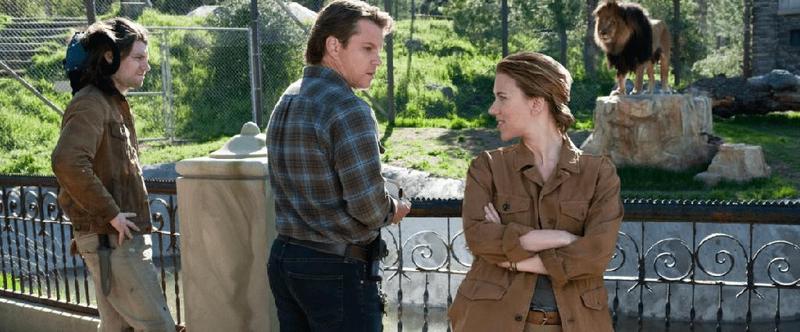
Few zookeepers can claim to have been played by Matt Damon in a multi-million dollar Hollywood movie, but Benjamin Mee can. 


“It’s not really history, is it, bloke buys a zoo, it’s a real tiny blip,” he says, perhaps selling himself short on the magnitude of the task and the significance of his story being adapted for Hollywood. 


For millions of viewers, Benjamin Mee’s story does not involve Dartmoor Zoo in Devon, but instead involves Matt Damon and Scarlett Johansson and is set in sunny C...

The Mob Museum Reveals The Most Accurate Mob Films - HistoFlick

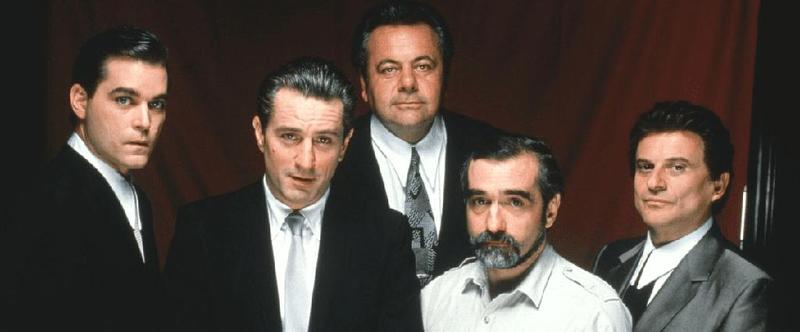
To find out, HistoFlick spoke with Zach Jensen, content development manager at The Mob Museum in Las Vegas, whose work explores the history of organised crime and the myths that have grown up around it.


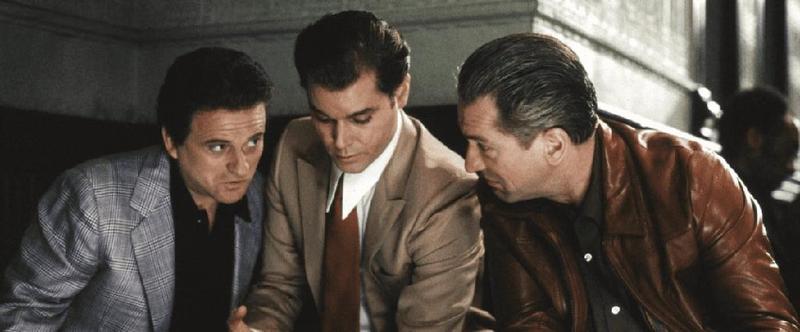
Whilst every film takes dramatic liberties, Jensen argues that the best mob movies are not necessarily those that get every detail correct, but those that effectively capture the culture, motivations and realities of organised crime.


With that in mind, here are the mob films that The Mob Mu...

The Mafia According to Hollywood: How Mob Movies Shaped Our Understanding of Real Organised Crime - HistoFlick

Most people will only ever encounter organised crime through the movies.


Whether it is Marlon Brando’s Don Vito Corleone making an unrefusable offer, Robert De Niro’s Ace Rothstein surveying the Las Vegas Strip, or Ray Liotta’s Henry Hill declaring, “as far back as I can remember, I always wanted to be a gangster”, the mafia and the mob are deeply ingrained in cinema. As a result, it is cinema that has come to define people’s understanding of the gangster, and the history of organised crime h...

The Real Elephant Man: How David Lynch Rewrote Joseph Merrick's Life - HistoFlick

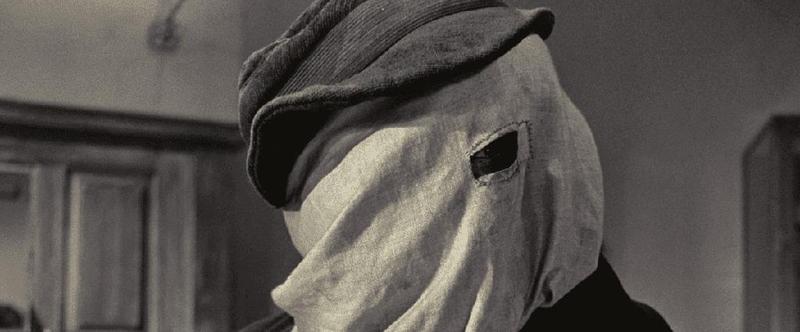
Hospital records show that Merrick had been awake that morning and spoken to the Sister of Blizard War, who dropped by to see him, and that a ward maid had arrived with his lunch at 1:30pm and left it for him to eat. It was not until just after 3pm when Merrick was found lying dead across his bed, his lunch untouched.


The circumstances of Merrick’s death have been debated ever since, pointing to a much larger truth. That while Merrick’s name and story are recognisable to many, he remains one...

Histo-Views: Mary Queen of Scots (2018) - HistoFlick

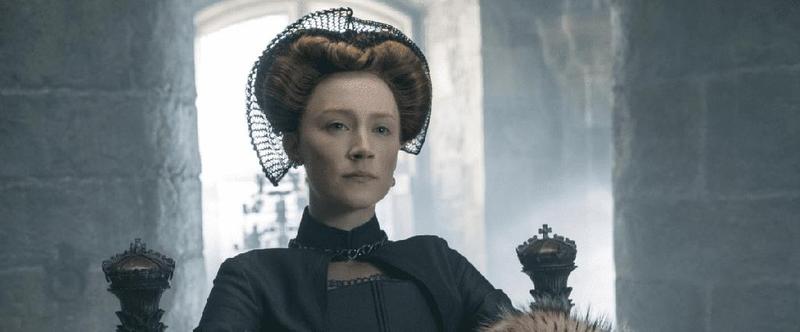
Josie Rourke’s Mary Queen of Scots is the third major Hollywood adaptation of Mary Stuart’s life, and yet a truly accurate portrayal of the famed monarch remains elusive on the screen.


Previously played by Katherine Hepburn in 1936 and Vanessa Redgrave in 1971, Saoirse Ronan takes the crown in the 2018 adaptation of John Guy’s biography – Queen of Scots: The True Life of Mary Stuart.


Ronan herself gives a noble performance as the embattled queen, though she adopts a Scottish accent rather...

How Hollywood Myth Replaced The Real Legend of Butch Cassidy and the Sundance Kid - HistoFlick

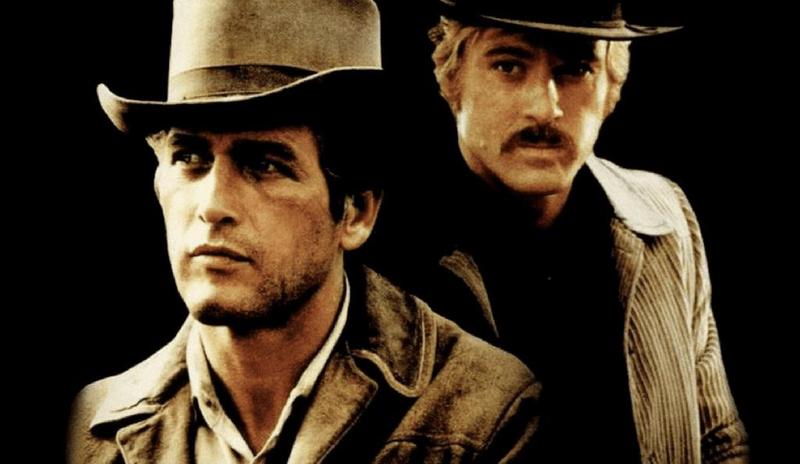
Unlike historical figures such as Jesse James, whose numerous cinematic adaptations have been strictly bound by the rigid necessities of specific settings, times and post-Civil War issues, the historical record for Butch Cassidy and the Sundance Kid remains remarkably thin.


“The advantage that the Butch Cassidy story has is that the record is very thin,” says historian of the American West Richard Slotkin, “nobody is even sure whether Butch died in Bolivia or whether he came back.”


This hi...

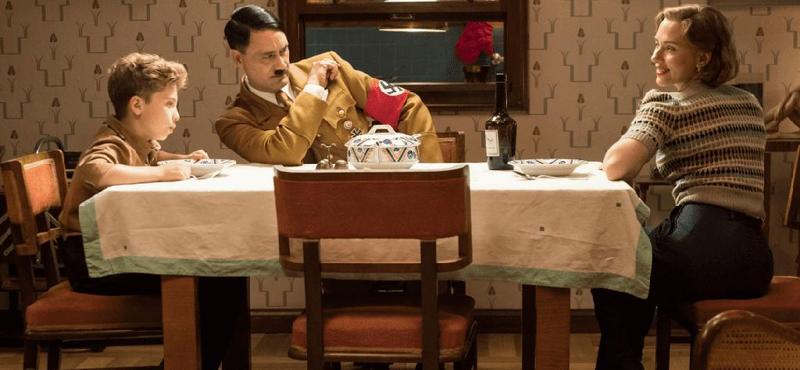
The Face of Evil: The Dangerous Paradox of Putting Hitler on Screen

There’s arguably no face in the world more recognisable than that of Adolf Hitler. It is a face that has inspired terror, that has represented malignant evil, that has represented the most banal of humanity. He is a figure that many would deem too daunting to put on screen, it is far easier to portray Nazis as faceless henchmen, leaving Hitler’s eerie presence lingering in textbooks rather than a character brought to life. 


In many ways, it is remarkable that, despite so few canonical filmic...

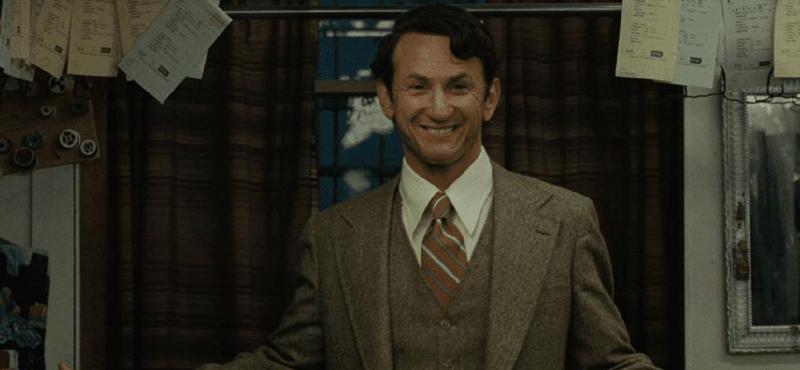
The "Transfer Of Hope": How Sean Penn Became Harvey Milk

The image of Harvey Milk has changed over the years. To those who lived through the 1970s, especially in Milk’s native San Francisco, he was a larger-than-life figure, whose wide, toothy grin, mess of dark hair and large protruding ears made him stand out from the crowd. Even more so when he was atop a soapbox, his voice amplified by a megaphone, spreading a message of hope and unity to America’s LGBT community in their struggle for civil rights. In the years since his assassination in 1978, he...

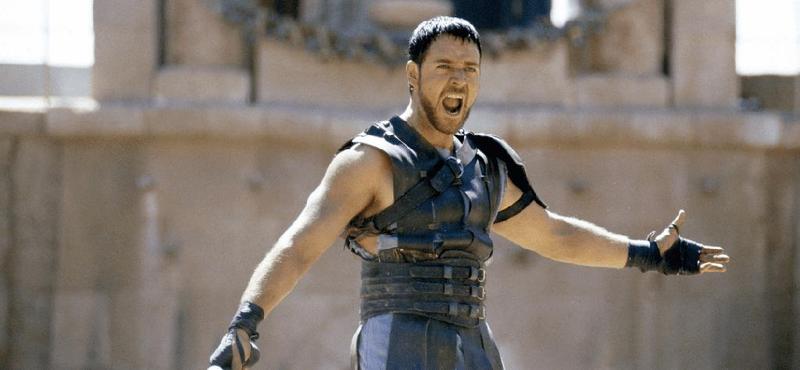
Dressing Gladiator: An Interview With Academy-Award Winning Costume Designer Janty Yates

To understand Yates’ impact on the historical film genre, one must look back to the late 1990s, an era when the sprawling ancient epic was considered out of fashion. When famed director Ridley Scott took on the challenge of resurrecting ancient Rome with Gladiator, the world of military costume design was still an aggressively male-dominated field. 


Yates, who had spent the first fifteen years of her career navigating the fast-paced, high-volume world of British television commercials, broke...

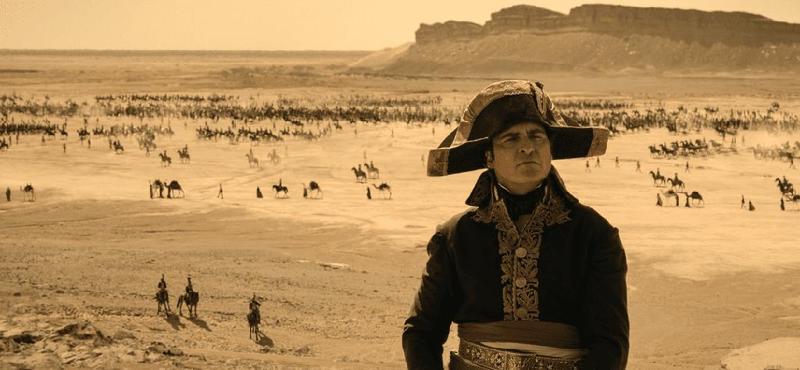
"Too Big For The Screen": Why Cinema Continues To Fail Napoleon

Napoleon Bonaparte may be the most portrayed historical figure in cinema history. It’s widely believed that there have been 194 portrayals of the French emperor, from silent epics, lavish Hollywood dramas and gigantic Soviet spectacles, all attempting to capture the Corsican who reshaped Europe.

Yet for all the millions of dollars, thousands of extras in battle scenes, and critically acclaimed actors in starring roles, historians still argue that cinema has never truly captured him.